The books / Pests, Predators and Robbing / chapter 7 of 14
The robbing screen
All chapters
- The dangerous weeks
- What a dearth looks like from the hive
- How robbing starts
- The beekeeper rings the bell
- Recognising it
- The entrance reducer
- The robbing screen
- When it is already bad
- Wasps through the year
- Strong colonies repel, weak ones fall
- The trap that works is the spring one
- Mice in October
- Bears
- Leaving them alone
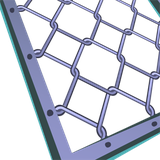
A robbing screen works on a fact about how bees find home: they rely on scent far more than on sight. The screen sits over the whole front of the hive, forcing every bee, whether it belongs there or not, to detour sideways or downward to a small opening some distance from where the strong honey scent is pouring out.
A hive's own foragers learn the new route within a day or two and use it without much fuss. Robber bees, following scent alone and expecting an entrance exactly where the smell is strongest, mill around the screen and mostly give up rather than search it out.
A screen costs more than a reducer and takes longer to install, but against a determined robbing attempt already underway, it holds where a reducer alone often does not.