The books / Planting for Bees / chapter 7 of 21
Phacelia, six weeks from seed
All chapters
- A quarter hectare in a circle of 1,260
- Reading a bloom window
- Where the year sags
- The gap is worth more than the peak
- Nectar plants and pollen plants
- Willow, the first pollen
- Phacelia, six weeks from seed
- Borage
- Sowing for a date
- A strip sown too late
- White clover in the grass
- A meadow takes two years
- Lavender is for the bees, not the jar
- Heather, the gap's own honey
- Fruit trees and the years before blossom
- A lime tree for the next keeper
- Black locust
- Ivy on the fence
- Nothing to water, nothing dies
- What a planting can name on the jar
- Siting the hive matters more
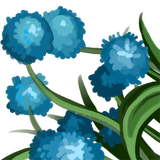
Phacelia is a farm cover crop that happens to be one of the best bee plants there is. It goes in from spring until early autumn:
- Covers bare soil fast.
- Holds on to nitrogen that would otherwise wash out.
- Is ploughed in afterwards as green manure.
Its lavender-blue flowers open about six to eight weeks after sowing and keep coming for up to six weeks.
Bees love it. Its nectar is plentiful, and the pollen is good enough that honey bees come home with purple loads. Prolonged frost kills it, so a late sowing is a gamble.
What makes phacelia useful to a keeper is that it can be aimed. Count back from the date you want flowers, sow, and it arrives.