The books / Forage and the Nectar Flow / chapter 10 of 21
Goldenrod and the winter stores flow
All chapters
- The two-kilometre circle
- Why six kilometres costs more than it brings
- Three and a half kilos of nectar
- What a flow actually is
- Maple, willow and the first dandelions
- Fruit blossom and hawthorn
- The main flow: black locust and clover
- Linden in July
- The gap in the middle of the year
- Goldenrod and the winter stores flow
- Ivy, the last flow
- Oilseed rape, the flow that sets in the comb
- What makes a jar monofloral
- Putting a super on at the start of a flow
- Pulling it at the end
- Reading a capping percentage
- Eighteen point six percent
- Honey that ferments
- Crystallisation is physics, not spoilage
- Creaming by the Dyce method
- A year of varieties and what each is worth
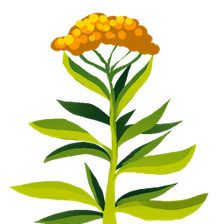
The autumn flow is the colony's own crop rather than yours. Goldenrod opens toward the end of summer and runs on into September, and the calendar's autumn crest reads 0.45, not quite half the year's peak.
Aster and late goldenrod follow it at 0.26 through October, and that anchor has a name of its own: the winter stores flow. After it the reading goes to nothing at all for the four anchors of winter.
Taking a super off in September is taking the colony's food. Some years there is a genuine surplus in it. Most years the honest answer is to leave the autumn where it fell and take your crop from June and July.