The books / Forage and the Nectar Flow / chapter 7 of 21
The main flow: black locust and clover
All chapters
- The two-kilometre circle
- Why six kilometres costs more than it brings
- Three and a half kilos of nectar
- What a flow actually is
- Maple, willow and the first dandelions
- Fruit blossom and hawthorn
- The main flow: black locust and clover
- Linden in July
- The gap in the middle of the year
- Goldenrod and the winter stores flow
- Ivy, the last flow
- Oilseed rape, the flow that sets in the comb
- What makes a jar monofloral
- Putting a super on at the start of a flow
- Pulling it at the end
- Reading a capping percentage
- Eighteen point six percent
- Honey that ferments
- Crystallisation is physics, not spoilage
- Creaming by the Dyce method
- A year of varieties and what each is worth
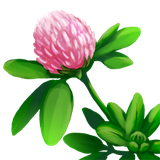
The main flow runs from about mid-May to late June, sometimes into the first days of July: four to six weeks, and the primary surplus-honey period of the whole year. Which plants make it varies from region to region.
Here it is black locust, opening in the middle of May and holding through the first half of June, with white clover in the grass under it. Black locust gives the pale, very mild honey the trade sells as acacia; clover gives the light, plain honey every other honey's price is quoted against.
Together they are the crest of the year.