The books / Forage and the Nectar Flow / chapter 5 of 21
Maple, willow and the first dandelions
All chapters
- The two-kilometre circle
- Why six kilometres costs more than it brings
- Three and a half kilos of nectar
- What a flow actually is
- Maple, willow and the first dandelions
- Fruit blossom and hawthorn
- The main flow: black locust and clover
- Linden in July
- The gap in the middle of the year
- Goldenrod and the winter stores flow
- Ivy, the last flow
- Oilseed rape, the flow that sets in the comb
- What makes a jar monofloral
- Putting a super on at the start of a flow
- Pulling it at the end
- Reading a capping percentage
- Eighteen point six percent
- Honey that ferments
- Crystallisation is physics, not spoilage
- Creaming by the Dyce method
- A year of varieties and what each is worth
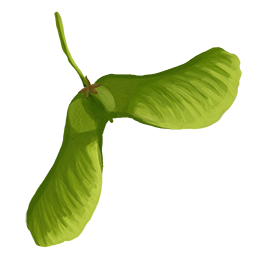
The first thing out is not really a flow. Maple, willow and crocus open while the nights are still cold, and the calendar rates them at 0.05 of the year's peak: pollen mostly, with a trace of nectar. Against a peak daily intake of 4.5 kilos, that is a couple of hundred grams a day.
Dandelion follows and lifts the reading to 0.25 as the first fruit bloom begins, and the field turns yellow with what looks like a fortune in nectar. It is not a crop. Nearly all of it goes into brood, because this is what the colony has been waiting for: something to raise bees on.