The books / Mead Making / chapter 14 of 21
Clearing, fining and the second racking
All chapters
- Honey, water and yeast
- Why mead goes wrong
- Never boil the must
- Honey and gravity
- The alcohol is the gravity you lost
- Choosing a yeast
- Feed it in thirds
- Sanitise everything it touches
- The cellar through the year
- Three steady readings
- Racking off the lees
- Faults and what caused them
- A stuck ferment and the restart
- Clearing, fining and the second racking
- Stabilise before you sweeten
- Dry, semi-sweet and sweet
- Bottling
- Varietal meads
- Patience is a technique
- Selling mead, and the licence
- What the cellar leaves out
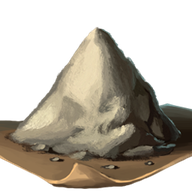
A young mead is cloudy with yeast and protein, and most of it clears on its own with time. Meadmakers commonly leave a traditional mead about three months in the second vessel, racking again every two or three months off the fine sediment that gathers. Each later racking loses a litre or less.
Fining speeds the haze along:
- Bentonite, a clay, goes in at 0.5 to 1 gram a gallon and settles out in one to two weeks.
- Kieselsol and chitosan work in days.
- A cold crash works in a week or two.
None of them ages a mead; they only clear it.
In this game a standard mead is clear 120 days after its first racking, 90 with bentonite. Halfway through those 90 days the cellar racks it again, leaving 0.7 litres behind.